





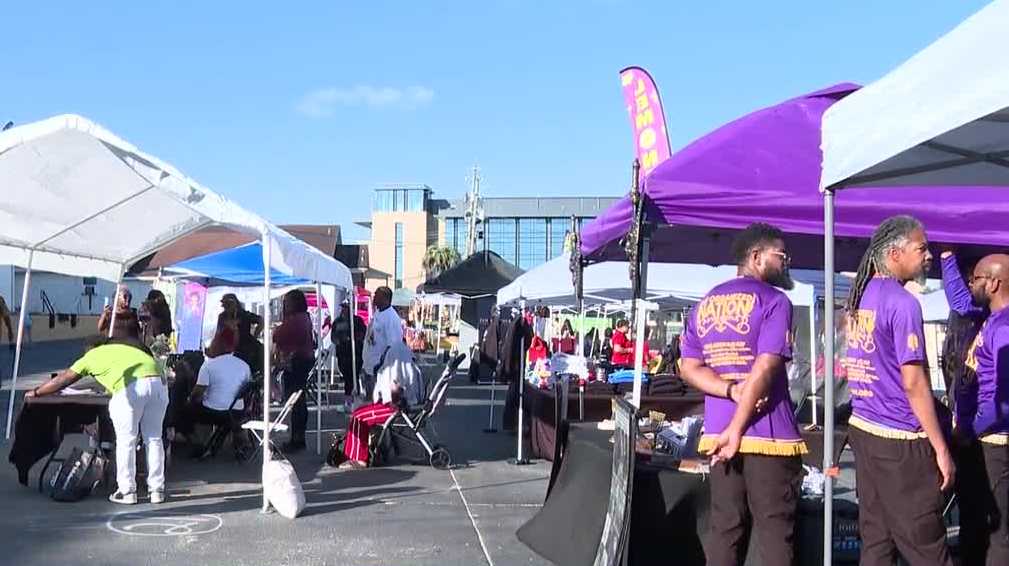
Savannah residents gathered Saturday to celebrate culture and community while honoring a painful chapter in the city’s history at the 7th annual Weeping Time African Unity Festival.The event, which highlights Black-owned businesses, music, food and local talent, is held in remembrance of the “Weeping Time,” the largest single sale of enslaved people in U.S. history. In 1859, 436 men, women and children were auctioned at a racetrack in Savannah on March 2 and 3. This year marked the 167th anniversary of the sale.“That’s our history, that’s our roots — that’s something we cannot forget,” said Shyann Brantley, the festival’s organizer. Brantley said planning begins months in advance, typically starting in November.Organizers say the festival is intended to honor that history while strengthening the community today, including by creating opportunities for local entrepreneurs.“Take something tragic that happened to our community and use it for economic opportunity for our community,” Brantley said.Vendors said the festival offers a chance to share traditions and connect with residents. Sierra L. Middleton, owner of Royal Tasty Plates, said participating is especially meaningful because of the event’s focus.“To be a part of this and to celebrate our culture, African American history — it’s unparalleled,” Middleton said.Brantley said the goal is not to rewrite history, but to reclaim it and ensure future generations understand what happened in Savannah.“Keep sharing it, keep celebrating it so generations that pass can remember this and what happened right here in Savannah,” Brantley said. “Don’t use it as a downer, but use it to celebrate and uplift.” First-time attendee Geoffrey Alls said the festival’s message resonated, particularly given Savannah’s history.“When you are in the birthplace of an area that has been built on struggle and blood, to see how we’ve overcome the struggles we’ve faced in this community is always rejoicing,” Alls said. “I’ll come back every year, of course.”Organizers said the festival is meant to remember the pain of the past while turning it into purpose through celebration, unity and support for the community.
SAVANNAH, Ga. — Savannah residents gathered Saturday to celebrate culture and community while honoring a painful chapter in the city’s history at the 7th annual Weeping Time African Unity Festival.The event, which highlights Black-owned businesses, music, food and local talent, is held in remembrance of the “Weeping Time,” the largest single sale of enslaved people in U.S. history. In 1859, 436 men, women and children were auctioned at a racetrack in Savannah on March 2 and 3. This year marked the 167th anniversary of the sale.
“That’s our history, that’s our roots — that’s something we cannot forget,” said Shyann Brantley, the festival’s organizer. Brantley said planning begins months in advance, typically starting in November.Organizers say the festival is intended to honor that history while strengthening the community today, including by creating opportunities for local entrepreneurs.“Take something tragic that happened to our community and use it for economic opportunity for our community,” Brantley said.Vendors said the festival offers a chance to share traditions and connect with residents. Sierra L. Middleton, owner of Royal Tasty Plates, said participating is especially meaningful because of the event’s focus.
“To be a part of this and to celebrate our culture, African American history — it’s unparalleled,” Middleton said.
Brantley said the goal is not to rewrite history, but to reclaim it and ensure future generations understand what happened in Savannah.“Keep sharing it, keep celebrating it so generations that pass can remember this and what happened right here in Savannah,” Brantley said. “Don’t use it as a downer, but use it to celebrate and uplift.” First-time attendee Geoffrey Alls said the festival’s message resonated, particularly given Savannah’s history.“When you are in the birthplace of an area that has been built on struggle and blood, to see how we’ve overcome the struggles we’ve faced in this community is always rejoicing,” Alls said. “I’ll come back every year, of course.”Organizers said the festival is meant to remember the pain of the past while turning it into purpose through celebration, unity and support for the community.
