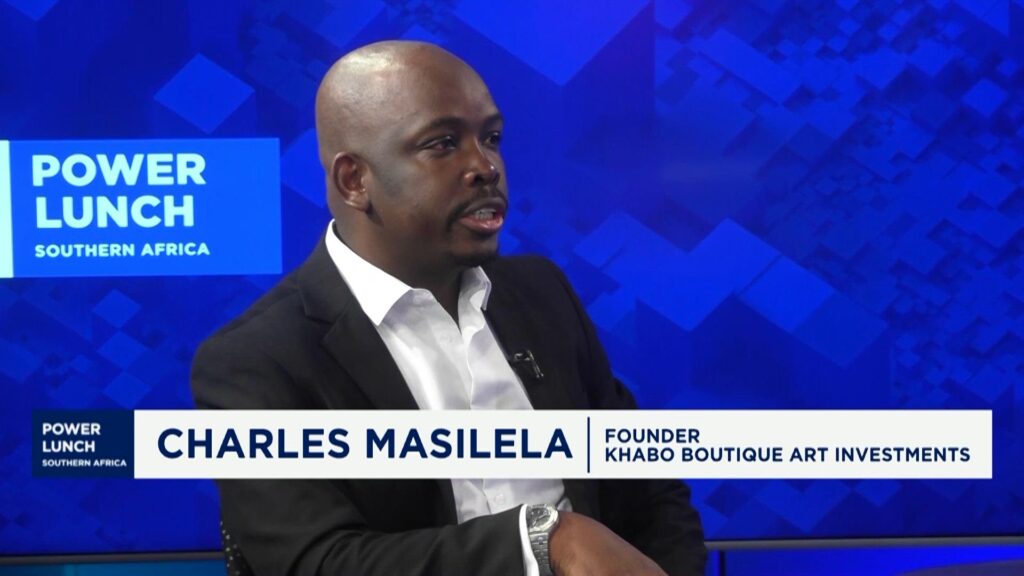
In a riveting discussion on CNBC Africa titled ‘Beyond the Black CEO,’ notable figures such as Charles Masilela of Khabo Boutique Art Investments and Tryphosa Ramano, an independent consultant, dissected the perplexing conundrum facing Black economic empowerment in South Africa. The conversation was sparked by Charles Masilela, who has been a vocal critic of the status quo, particularly concerning the lack of real economic sovereignty despite the presence of Black leadership in prominent positions.
Masilela initially set the stage by evaluating the disparity between management and ownership within the framework of Black empowerment, emphasizing that the latter is essential for genuine sovereignty. He posed a hard-hitting question: “If we have Black CEOs helming some of the largest banks and financial institutions, where then is the Black sovereignty?” This question underlined a significant paradox faced by Black economic empowerment.
Masilela pointed out the systemic inequalities that continue to persist. He illustrated this by highlighting that Black entrepreneurs still face barriers in financial sectors, such as higher interest rates and frequent loan rejections despite contributing significantly as depositors. Citing the example of Sizwe Nxasana, the former CEO of First Rand, Masilela indicated how, despite leading transformational management in the company, Nxasana struggled to secure funding to establish his own ventures, such as Future Nation schools, showing that the issue is not merely managerial but rooted in institutional ownership and control.
Tryphosa Ramano, adding her voice to the debate, underscored the notion that while there has been significant representation of Black individuals in high-level roles, the true leverage lies in the control and allocation of capital. She expressed concern that some Black leaders may have lost sight of a collective agenda, instead inadvertently perpetuating institutional barriers that hinder real empowerment.
Both panelists agreed that the solutions are not found in reinventing the wheel but through leveraging existing frameworks more assertively. Masilela advocated for the creation of Black-owned institutions, similar to the historical model of Afrikaner empowerment, wherein their financial sovereignty was asserted through institution creation.
Arguing for systemic change without causing economic destabilization—such as a run on the rand—remained a delicate balance. Ramano noted that while the South African Reserve Bank is majority government-owned, leveraging its regulatory powers to benefit Black entrepreneurs requires intentional leadership.
Ultimately, both Masilela and Ramano called for audacity and intentional leadership among Black executives to drive this change. Ramano opined that the disconnect isn’t so much a regulatory issue but a matter of consciously pursuing empowerment objectives within the pre-existing system.
In conclusion, the session concluded with an urgent call to action for dialogue on creating and sustaining Black-owned financial institutions, ultimately fostering a resilient and self-reliant Black financial ecosystem in South Africa. As Masilela aptly stated, “These conversations have started. It’s time for us to be in the lab, mix our own compounds, and create our financial algorithms.” The need for economic sovereignty is clear, but its realization hinges upon audacious leadership and collective action.
Source link