





By Jennifer Matthews
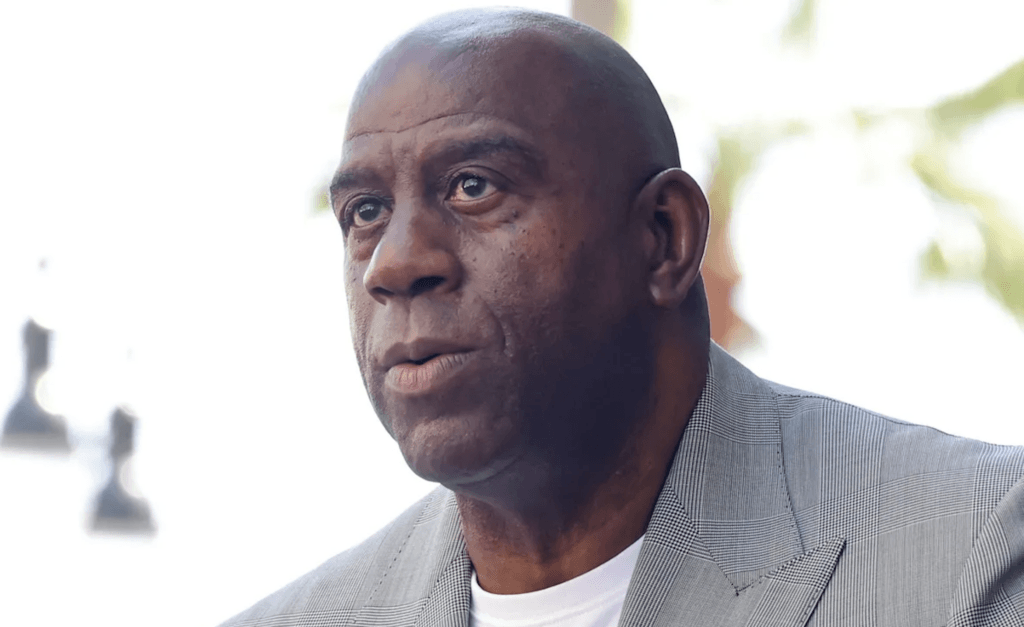
Lawsuits alleging Magic Johnson actively participated in a failed $250,000 NFT venture called MagicVerse have been dismissed
The case adds to a growing list of celebrity crypto exits and raises real questions about who bears responsibility when star-backed projects collapse
NBA Legend Magic Johnson just walked away from a federal lawsuit accusing him of involvement in a failed NFT venture, and if you’ve been in the Web3 space since 2021 like I have, this story is familiar. Not because of Magic specifically, but because this keeps happening. A Texas jewelry company, DoneRight & Company, invested $250,000 into the MagicVerse NFT project in August 2022 after an associate of Johnson reportedly pitched the venture as a celebrity-backed metaverse play with ties to music producer Dr. Dre. The project never minted a single NFT, nobody paid royalties and communication went dark.
Why This Matters
When someone like Magic puts his name on a project, people in our communities don’t ask for the white paper. They trust the person, that’s how endorsement works, and it’s exactly why the fallout from these deals hits harder in Black communities, where the Pew Research Center has shown higher rates of crypto adoption compared to white Americans. When these ventures fail, the damage extends beyond the money lost; it makes people skeptical of legitimate alternative investment opportunities at a time when wealth-building options need to expand, not shrink.
The lawsuit alleged that Johnson wasn’t just lending his name to marketing materials, but was also actively coordinating how the parties handled investor funds. By March 31, both parties filed a joint stipulation dismissing the case with prejudice. Both sides called it an amicable resolution. That’s a legal conclusion, not a cultural one.
I’ve watched this cycle play out firsthand. Since entering the NFT and Web3 space in 2021, I’ve seen celebrities show up during bull markets, collect their checks, and go quiet when things fall apart. The FTX fallout is the clearest example:
Udonis Haslem quietly resolved his own FTX claims
Steph Curry, Tom Brady, and David Ortiz are still in an ongoing FTX litigation.
Before FTX, Kim Kardashian paid $1.26 million to the SEC for promoting EthereumMax without disclosing compensation. Floyd Mayweather paid over $600,000 for similar violations. The names change, however, the pattern doesn’t.
Situational Awareness
Magic’s legal exit resolved the lawsuit, but it didn’t answer the question that matters most: What responsibility do athletes and entrepreneurs have when they put their name, and their community’s confidence, behind speculative financial products?
For Black and Brown investors navigating these markets, the takeaway isn’t to stay away from risk. It’s to stop giving celebrities the benefit of the doubt simply because they’re famous. The promise of Web3 was decentralization and ownership. Right now, too many of these deals center on celebrity hype with no transparency, no accountability, and no recourse when the project never ships.
CBx Vibe: “C.R.E.A.M.” Wu-Tang Clan
CONTRIBUTOR
Source Name : culturebanx >
