





By CultureBanx Team
Alabama’s technology sector has experienced 50% economic output growth and is projected to account for 5.3% of its GDP by 2030
The Southeast is now home to nearly 600 venture capital firms and capital providers
For years, the conversation around American innovation has been dominated by Silicon Valley. However, a new geography of opportunity is emerging and it’s taking shape across the South. According to the 2025 Southeast Capital Landscape Report, the Southeast is now home to nearly 600 venture capital firms and capital providers, reflecting steady growth in startup financing and entrepreneurial infrastructure across the region. Leaders are continuing to explore how can communities intentionally build technology ecosystems that create wealth, expand opportunity, and reflect the people they serve?
Why This Matters: The South is no longer simply participating in the innovation economy, it’s increasingly helping define it. Founders, investors, civic leaders, entrepreneurs and ecosystem builders are exploring how historically underestimated regions are becoming engines for the next wave of technology and economic growth.
Investors are taking notice because the fundamentals are changing. The 2025 State of Startups in the Southeast found that the region continues to demonstrate resilience and growing influence, with founders attracting investment through disciplined growth, expanding talent pools, and increasingly sophisticated startup ecosystems.
Alabama is benefiting directly from that momentum. The state’s technology sector has experienced 50% economic output growth since 2018 and is projected to account for 5.3% of Alabama’s GDP by 2030. Venture investment is also accelerating, with $321 million invested in Alabama IT deals in 2023, while cities including Birmingham continue expanding expertise in cybersecurity, artificial intelligence, and digital infrastructure.
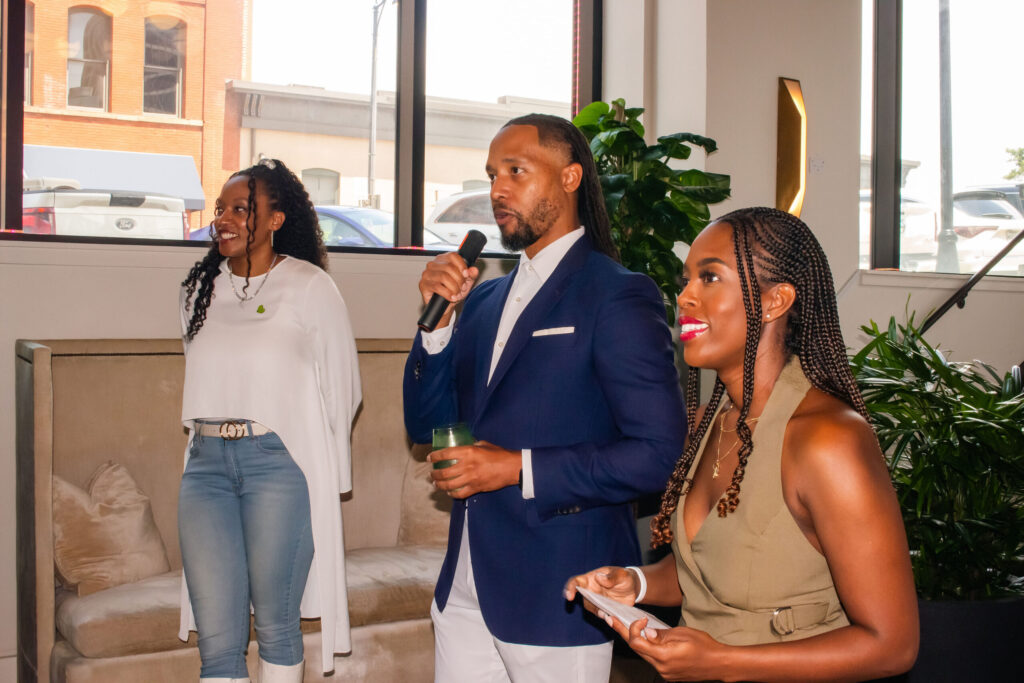
That mission resonates strongly in Birmingham and was on full display during CultureBanx’s Southern Tech Renaissance event at Sloss.Tech. The event also marked a natural extension of CultureBanx’s “Reimagining Our Tech Agency” series in partnership with Omidyar Network, examining how technology can become a tool for equity, civic participation, and economic mobility instead of simply another product to consume.
Speaking during Sloss.Tech, TechBirmingham CEO Deon Gordon noted that Birmingham’s history uniquely positions the city to lead conversations around artificial intelligence, automation, and workforce transformation.
“Everybody’s familiar with AI and the impact that automation is going to have on a lot of jobs… What better place to have those conversations than in a city in a state that’s really already wrestled with a lot of those questions?” said Gordon.
His comments underscore why Birmingham has become more than a conference destination, it’s becoming a laboratory for what inclusive innovation can look like in practice. The opportunity extends beyond capital into true economic equity.
Creating Systems, Not Just Startups
A broader shift in how innovation is being defined is reflected broadly across the South. The Reimagining Our Tech Agency initiative argues that technology should be understood as infrastructure that shapes economic participation, civic life, and opportunity. Its themes explore everything from redefining who counts as a technology expert to designing equitable systems and confronting bias in artificial intelligence.
Those conversations become especially relevant as Southern cities leverage their affordability, research institutions, growing talent pipelines, and collaborative business communities to compete for the industries driving tomorrow’s economy. Especially when you consider the South’s competitive advantages including lower operating costs, expanding universities, and stronger collaboration between public and private sectors are increasingly attracting entrepreneurs seeking alternatives to traditional coastal tech hubs.
Building In Overlooked Places
Birmingham’s emergence as an innovation hub reflects a broader truth about today’s economy, breakthrough ideas aren’t limited by geography. The next generation of technology leaders is just as likely to emerge from Birmingham, Huntsville, Jackson, Houston or Atlanta as from Silicon Valley. What’s required isn’t simply more startups, but stronger ecosystems that connect founders with investors, civic leaders, and institutions committed to long-term growth. Conversations about equitable technology in real-world spaces reinforces a simple but powerful idea that the future of innovation belongs to communities willing to build systems that expand opportunity, not just technology that scales quickly.
CBX Vibe: “Welcome To Atlanta” Jermaine Dupri Feat. Ludacris
CONTRIBUTOR
Source Name : culturebanx >
