





THE OPENING EVENT
The historic Rondo neighborhood will celebrate a new milestone on Saturday, July 25, as community leaders officially open the Rondo African-American Arts District (RAAD), establishing a permanent cultural destination that recognizes the neighborhood’s artistic heritage while strengthening opportunities for local businesses and creative entrepreneurs.
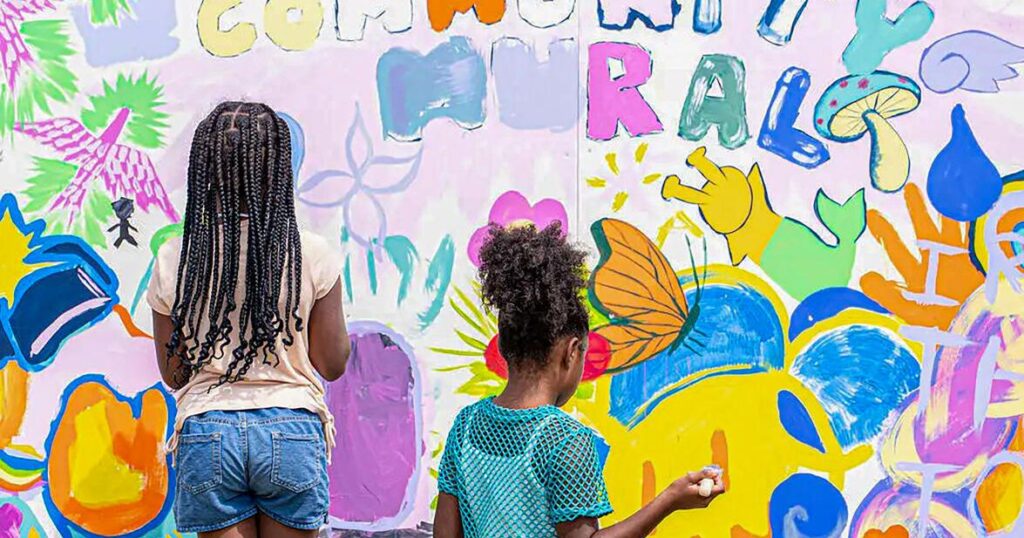
The grand opening coincides with the inaugural Selby Arts and Culture Day, a free community celebration running from 11 a.m. to 4 p.m. at 736 Selby Avenue and Grotto Street. The event, organized by the Rondo Community Land Trust, will begin with an official ribbon-cutting ceremony at 11:30 a.m.Remarks are expected from Rondo Community Land Trust President and CEO Mikeya Griffin, who will outline the organization’s vision for preserving Rondo’s cultural identity while investing in its economic future.Residents from across the Twin Cities are invited to join the celebration and experience a day dedicated to art, history, culture, and neighborhood resilience.ART, IDENTITY, AND LOCAL ECONOMYOne of the day’s signature moments will be the unveiling of the district’s new commemorative street flags. Created through a collaboration with Rondo artist Benny Roberts, the banners will line Selby Avenue from Dale Street to Lexington Parkway, creating a permanent visual identity for the district while honoring the artists, history, and cultural traditions that continue to define one of Minnesota’s most significant African American communities.The celebration will also introduce the Rondo Passport, a coupon book and neighborhood business directory designed to encourage residents and visitors to shop locally and discover the district’s growing network of Black-owned businesses, artists, restaurants, and community organizations.Organizers say the initiative is intended to keep consumer spending circulating within the neighborhood while strengthening long-term economic opportunity for local entrepreneurs and expanding awareness of Rondo’s unique cultural and commercial assets.Throughout the afternoon, visitors will have opportunities to meet artists whose work reflects the creativity and resilience of the Rondo community, including Benny Roberts and Noval Noir among a roster of participating creatives representing the district’s visual arts, design, and cultural sectors. (Full artist roster in sidebar.)RONDO’S LEGACY AND NATIONAL MOVEMENTThe launch of the Rondo African-American Arts District marks a significant milestone in the Rondo Community Land Trust’s broader strategy to preserve the neighborhood’s cultural identity while expanding opportunities for artists, entrepreneurs, and locally owned businesses.
Through public art, creative placemaking, and sustained investment along the Selby Avenue corridor, the district is intended to serve as both a destination and an engine for community-led economic development.More than a ceremonial designation, the Rondo African-American Arts District reflects a growing movement to preserve African American cultural places, strengthen neighborhood businesses, and ensure that the story of Rondo remains visible for future generations. For community leaders, artists, and residents, the district represents both a recognition of what was lost and an investment in what can still be built.Long before Interstate 94 divided the neighborhood, Rondo was the heart of Saint Paul’s African American community. Centered along Rondo Avenue and the Selby Avenue corridor, the neighborhood flourished during the first half of the twentieth century as a center of Black commerce, culture, faith, education, and civic life.Rondo was home to generations of families, churches, social clubs, restaurants, barbershops, beauty salons, newspapers, and locally owned businesses that created a vibrant economic and cultural ecosystem despite the barriers of segregation and discriminatory housing practices elsewhere in the Twin Cities.That community was dramatically altered during the late 1950s and 1960s when construction of Interstate 94 cut directly through the neighborhood. Hundreds of homes and businesses were demolished, and hundreds of families were displaced as the freeway permanently transformed the physical and economic landscape of the community. The destruction of Rondo has since become one of Minnesota’s most widely recognized examples of the lasting effects of urban renewal and highway construction on historically Black neighborhoods.Today, organizations including the Rondo Community Land Trust, neighborhood artists, business owners, historians, and residents continue the work of preserving Rondo’s history while building new opportunities for future generations. The creation of the Rondo African-American Arts District represents the latest chapter in that effort, using public art, cultural programming, entrepreneurship, and neighborhood investment to celebrate Rondo’s past while strengthening its future.Each summer, the annual Rondo Days celebration brings thousands of people together to honor the neighborhood’s enduring legacy, reminding Minnesotans that while much of the original community was physically displaced, the spirit, creativity, entrepreneurship, and resilience of Rondo continue to shape Saint Paul today.Benny Roberts • Noval Noir • Myc Daz of Discover Dope Creative • Nicole Milligan of Milligan Studio • Kprecia Ambers of KP Inspires • Akossiwa Medowokpo of Art Sabine • Dralandra Larkins of ArtStart • Briauna Williams of BriiNoir • Rekhet Si-Asar of In Black Ink • DJ Glorius Martin • Donald WalkerThis article was produced with AI assistance.
