





By Kori Hale
LVMH’s reported $850M sale of Marc Jacobs highlights how luxury conglomerates are prioritizing fewer bigger brands amid slowing global demand
This move could reshape how culturally influential fashion labels tied to youth, streetwear and creative communities are valued moving forward
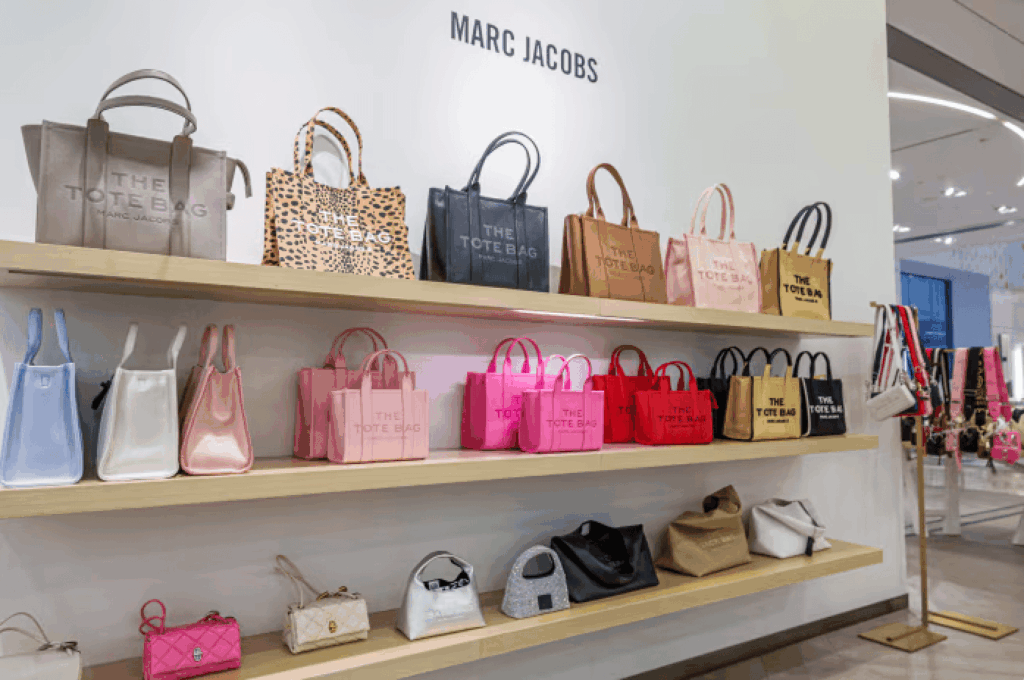
Luxury giant LVMH (LVMUY +0.89%) is making a move that says a lot about where the fashion business is headed. The company behind Louis Vuitton, Dior, Tiffany & Co., and Fendi has agreed to sell its majority stake in Marc Jacobs to WHP Global and G-III Apparel Group in a deal reportedly worth around $850 million. The decision marks one of the clearest signs yet that even the biggest players in luxury are pulling back, simplifying portfolios, and focusing only on brands that can consistently generate massive global profits.
Why This Matters: Over the past decade, fashion’s biggest cultural moments have increasingly been shaped by inclusive creativity, hip-hop influence, and streetwear innovation. Brands tied to music, sneaker culture, nightlife, and social media storytelling became central to luxury’s growth strategy. Marc Jacobs successfully tapped into that ecosystem repeatedly, from casting choices to campaign aesthetics and collaborations that blurred the line between downtown culture and luxury fashion.
For decades, LVMH built its empire by acquiring labels across fashion, beauty, jewelry, wine, and retail. After years of explosive post-pandemic spending, the luxury market has cooled significantly. Consumers in China are spending less, aspirational shoppers are pulling back amid inflation, and geopolitical instability has weakened global retail demand. Reuters reports that LVMH’s sale of Marc Jacobs comes amid mounting pressure to streamline operations and concentrate resources on powerhouse labels like Louis Vuitton and Dior, which drive the majority of the company’s profits.
Fashion’s New Culture: The sale also reflects a larger shift in how fashion conglomerates are thinking about “cultural brands” versus “profit engines.” Marc Jacobs remains one of the most recognizable names in American fashion. The brand’s influence stretches far beyond runways into music, youth culture, nightlife, beauty, and streetwear aesthetics that have shaped fashion globally for years.
Today’s luxury companies are increasingly prioritizing operational efficiency, scalability, and ultra-high margins over cultural experimentation. Analysts quoted by Reuters noted that LVMH is shifting away from functioning as an incubator for smaller creative labels and instead becoming a portfolio focused on “margin engines.”
That distinction matters because many of the brands driving youth culture and multicultural influence often operate differently from traditional European luxury houses. They rely heavily on collaborations, celebrity visibility, internet virality, and cultural credibility rather than heritage alone. Those strategies create buzz, but they do not always produce the steady profits shareholders expect from companies valued in the hundreds of billions.
Situational Awareness: This comes at a moment when many younger consumers are already questioning luxury’s value proposition. McKinsey previously projected that the global luxury slowdown would force brands to rethink pricing strategies and consumer engagement as shoppers become more selective. At the same time, resale markets, independent designers, and culturally specific labels continue gaining traction with Gen Z audiences who prioritize authenticity over traditional prestige.
Ultimately, LVMH’s Marc Jacobs exit is bigger than one transaction. It signals a changing era in luxury where scale, efficiency, and shareholder pressure are overtaking the freewheeling cultural experimentation that once defined fashion’s most exciting moments. While luxury companies may be cutting complexity, culture itself never stops moving.
CBX Vibe: “Can’t Tell Me Nothing” Kanye West
CONTRIBUTOR
Source Name : culturebanx >
