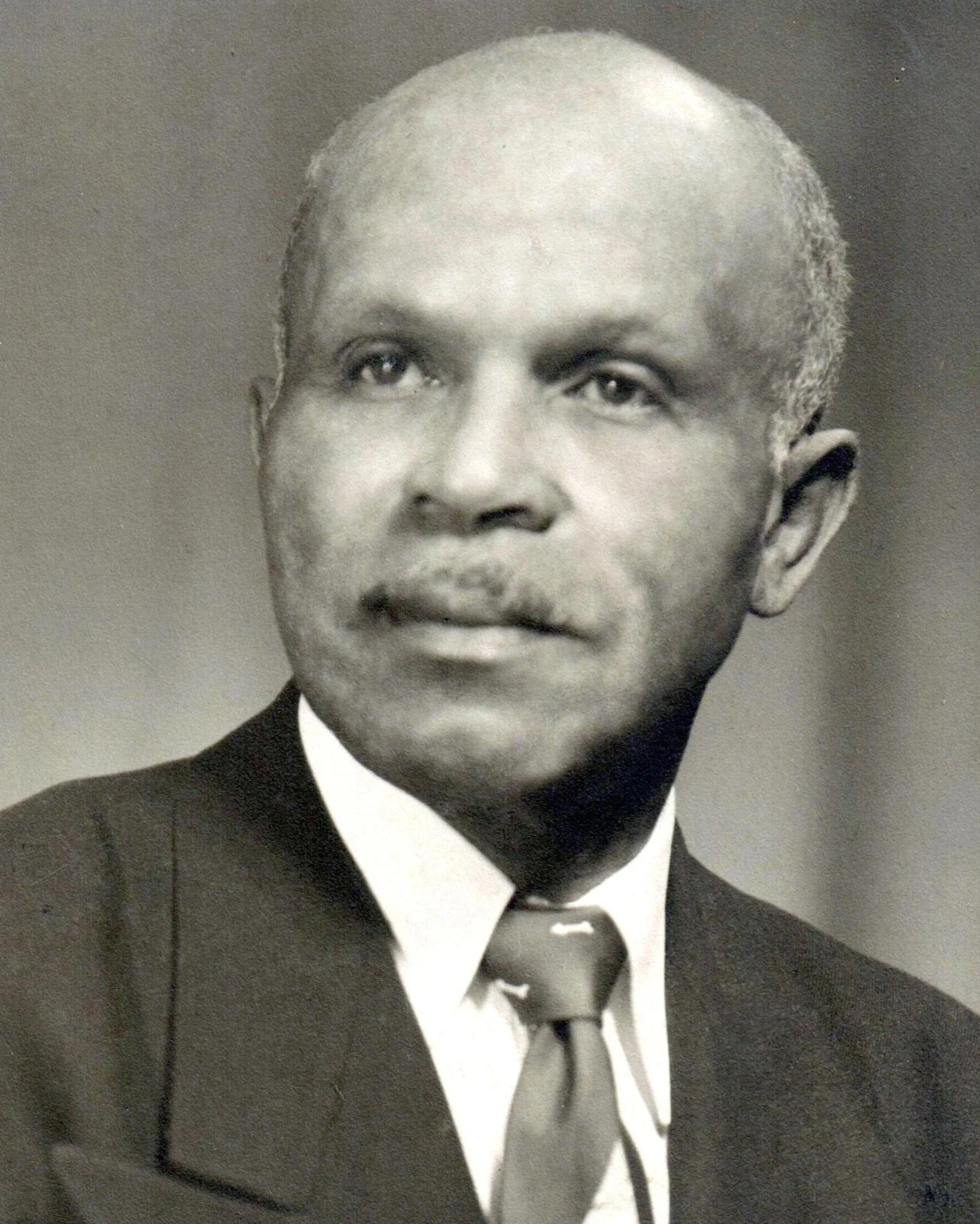
In reframing transportation history, the exhibit highlights the role of entrepreneurs, builders and community leaders whose impact has often gone unrecognized.Central to that effort was close collaboration with Redmon’s family, particularly Carnegie, whose involvement grounded the exhibit in lived experience.“We truly could not have done this without the family,” Miller-Gerrard said. “This is very much their project, and our role was to help bring it to a wider audience. She confirmed which photographs were selected, reviewed exhibit text and suggested wording, contributing significantly to the final narrative. Her edits and insights were exceptionally strong, frankly stronger than what we typically receive through standard review processes. It was a genuine collaboration and conversation.”That partnership ensured both historical accuracy and emotional depth.“Details like his ingenuity in making concrete blocks or the presence of a gas pump on his property become much more meaningful when grounded in family memory,” she said. “This isn’t the museum telling someone else’s story in isolation. It’s a story being shared in partnership.”The result is an exhibition that reshapes how visitors understand the role of Black Canadians in building the country’s economic and industrial foundations.“This exhibition helps broaden public understanding of Black history beyond a narrow set of narratives,” Miller-Gerrard said. “Visitors may come expecting automotive history, but they leave with a deeper appreciation for the people, like Redmon, whose labour and entrepreneurship made that history possible.”In that sense, the exhibit positions Black history as central rather than peripheral.“We want people to see that their stories belong in museums too,” she added. “These are not side stories. Instead, they are central to Canada’s economic and industrial development.”The approach is part of an ongoing shift in how the museum curates and presents its stories.“Since 2019, we’ve been moving away from traditional, over-told narratives and toward stories that reflect a broader and more accurate history,” Miller-Gerrard said. “This is not a one-time effort. It’s an ongoing shift in how we approach storytelling.”At its core, the exhibit bridges industrial history and human experience, making it accessible even to those who may not initially connect with automotive themes.“Transportation history is about the movement of people, goods and opportunity,” Miller-Gerrard said. “Redmon’s story makes that tangible.”Rather than focusing solely on machinery, the exhibit centres on the life behind it.“We could have created an exhibit about his trucks, but that would have been far less engaging than telling his story,” she said. “He was a self-made entrepreneur, a builder of homes and community, and a family man whose legacy continues through future generations.”It is that human dimension, Miller-Gerrard added, that ultimately resonates.“Visitors don’t just learn about trucks, but they understand what those trucks mean in someone’s life,” she added. “The connection to transportation becomes secondary to the human impact, and that’s what makes the history truly meaningful.” In reclaiming Nathan Redmon’s story, the exhibit does more than honour one man’s ingenuity. It restores a missing chapter of Toronto’s foundation and reframes who gets remembered as a builder of the city. What was once a largely hidden legacy now stands in full view, not simply as history, but as a call to recognize the vision, courage and quiet determination that have long shaped communities from the margins. In bringing that story forward, the museum is not just preserving the past. It is expanding the future, ensuring that those who walk through its doors leave with a deeper understanding of whose hands built the world around them, and whose stories remain to be told.The museum is located at 99 Simcoe Street South in Oshawa and is open Tuesday through Sunday, from 10 a.m. to 4 p.m.